
Metering Pump Low Flow: Why Stroke Adjustment Has No Effect
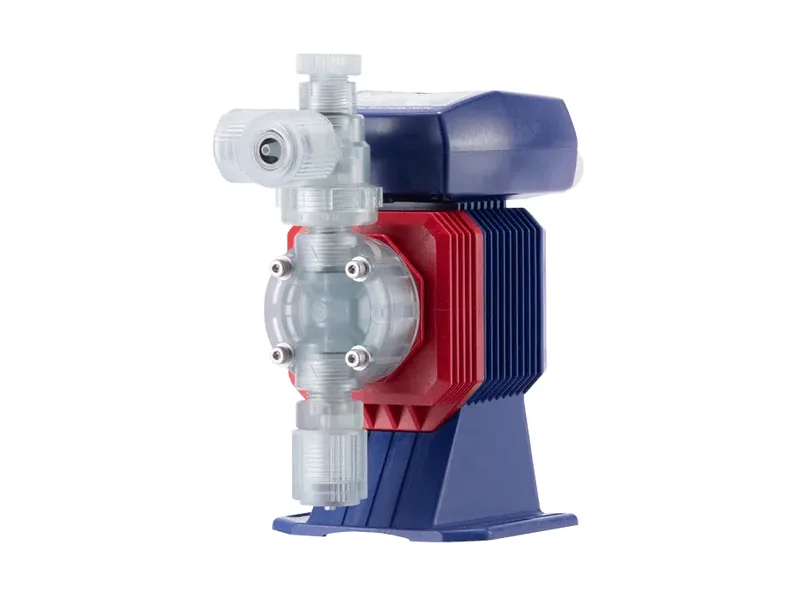
Metering pump low flow that will not improve when you turn the stroke knob up is rarely a dead motor or a torn diaphragm. In most cases the pump is working in conditions far from the ones its nameplate figure was measured under, or a setting you think is active is not. This guide is for operators and commissioning engineers who have already turned everything to maximum and still see only part of the rated output in the calibration column.
Is the pump really set to maximum?
Output depends on two settings: stroke length, which is how far the diaphragm travels on each stroke, and stroke rate, which is how many strokes the pump makes per minute. Only when both are at maximum should you expect the catalog number.
Take the IWAKI EHN solenoid pump as an example. Stroke rate is set on the keypad from 1 to 360 spm, and stroke length is set with a knob, with an adjustable range of 50 to 100% or 40 to 100% depending on the model. We regularly visit sites where the knob is at 100% but the display still shows a low default rate, or the pump is in external pulse mode, so the rate follows pulses from the PLC and keypad changes do nothing.
Quick settings check for metering pump low flow
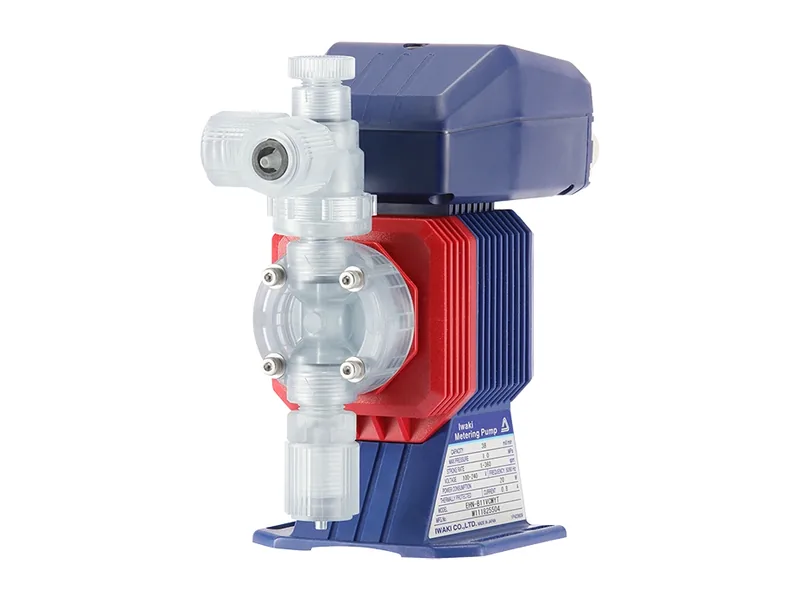
Figure 1: IWAKI EHN-YN solenoid metering pump. Image source: IWAKI official website
- Read the actual spm on the display, not the value you remember entering.
- Confirm which control mode is active: manual, pulse or analog.
- Make sure the stroke knob actually moved and was not blocked by its locking screw.
- Measure the supply voltage. A solenoid pump on low voltage typically cannot complete a full stroke.
What the nameplate flow actually means
This is the step most people skip when chasing metering pump low flow. The EHN literature states that maximum capacity is measured at maximum discharge pressure, rated voltage, room temperature, 100% stroke length and 360 spm, pumping clean water. Change any one of those and the number moves, and it usually moves down.
If the pump was sized so the required dose sits at the very top of its range, metering pump low flow on site is almost certain. Normal dosing should sit around the middle of the range so there is room to turn it up. Our article on metering pump low flow causes covers sizing margin in more detail.
Field causes of metering pump low flow
Back pressure: the most common source of metering pump low flow
The higher the discharge pressure, the more liquid slips back past the valves on each stroke, and the more the fluid in the pump chamber compresses before the discharge valve opens. Long lines, a high-pressure injection point or a back pressure valve set too tight all reduce delivered volume. Put a gauge on the pump outlet and compare the reading with the rated pressure. The closer they are, the bigger the loss. The mechanism is explained in our piece on metering pump volumetric efficiency.
Viscous or gassing chemicals
The EHN literature lists a maximum viscosity of 20 mPa·s. Polymer solutions in winter or concentrated chemicals can exceed that, so the suction valve closes slowly and the chamber never fills. Sodium hypochlorite and hydrogen peroxide release gas, and a gas bubble in the chamber just compresses and expands while the diaphragm moves. IWAKI offers the NAE auto-degassing pump head for these liquids, and our guide to EHN auto-degassing and no-dose problems shows how to tell if gas is your issue.
Suction side restriction
A narrow suction line, a clogged strainer, a sticking foot valve or a pump mounted well above the liquid level all prevent the chamber from filling. A simple test: lift the suction line out of the chemical tank and put it into a bucket of clean water. If flow rises noticeably, the metering pump low flow comes from the suction side or from the chemical itself.
Worn or crystallized check valves
Scratched or scaled valve balls and seats leak back, and the loss grows with pressure. Remove the valves, look at the seats against the light for white deposits, soak and clean them, then refit. A surprising number of metering pump low flow complaints end at this step.
A troubleshooting order that saves time
We generally work through metering pump low flow in this order so the pump is not stripped down first:
- Check control mode, displayed spm and stroke knob position.
- Measure real discharge pressure and compare it with the rating.
- Run on clean water to separate a chemical problem from a pump problem.
- Inspect suction line, strainer, foot valve and mounting height.
- Open the valve assemblies and, if needed, replace the diaphragm.
Measure flow with a calibration column or a graduated cylinder after each step and change one variable at a time. Before opening the pump head, stop the pump and release line pressure, and wear goggles and gloves with acids or caustics.
When the only answer is a different pump
If discharge pressure is already close to the pump's rating, or the process now needs more than the pump can deliver at real back pressure, troubleshooting only recovers a small part of the gap. Resize based on measured pressure and peak demand, with margin. You can compare flow ranges among our solenoid metering pumps and the IWAKI product range.
Conclusion
Metering pump low flow after turning the stroke to maximum is usually explained by settings, nameplate test conditions, back pressure, the chemical, the suction side or the valves, in that order. Most cases are fixed without replacing anything. If the pump simply cannot deliver enough at real back pressure, it is a sizing question. Send us the chemical, measured discharge pressure, required flow and mounting height, and contact our engineers to decide whether to adjust or change the model.
FAQ
Flow at 100% stroke is lower than at 80%. Is that normal?
No, it usually points to poor suction. A longer stroke needs more liquid per cycle, so a restricted suction side fills even less. Check the strainer and suction lift first.
Will raising the supply voltage fix metering pump low flow?
Do not try it. Solenoid pumps should run at rated voltage. Fix a low supply if you find one, but overvoltage can burn the coil.
I replaced the diaphragm and flow is still low. What next?
Look at the check valves and discharge pressure. Crystals left on a valve seat are a common reason a new diaphragm does not help.
Can a long discharge line cause metering pump low flow?
Yes. Long, narrow lines with many bends raise pressure and pulsation, so delivered flow drops. A pulsation dampener or a larger line size typically helps.
Should I return a pump that does not reach rated flow?
Not yet. Rated flow is measured on clean water at specific pressure and voltage. Test on water at low back pressure first; if it reaches its rating there, the pump itself is fine.