
Diaphragm Leak Detection: What a Dripping Leak Port Means
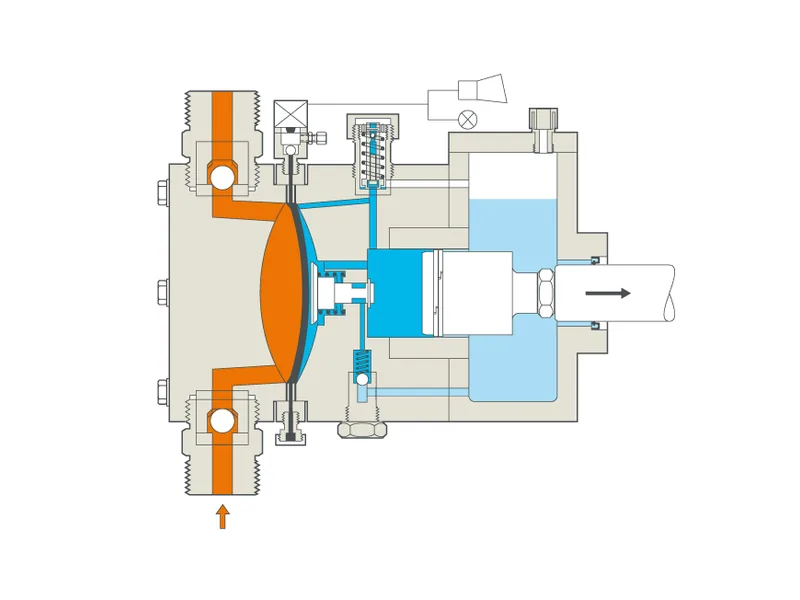
On a routine round you find a small puddle under the pump head and trace it to a little hole that keeps dripping. The usual reactions are to tape over it or to decide a few drops do not matter. In fact, that hole is part of the pump's diaphragm leak detection, and the drip is a warning.
What the leak port is for
Most diaphragm metering pumps have a small hole or chamber between the liquid end and the drive. Manuals call it a leak port, drain hole or leakage bore. It is the simplest form of diaphragm leak detection.
With a healthy diaphragm, the port stays dry. Once the diaphragm cracks or starts to weep, liquid comes out here instead of running into the solenoid, gearbox or motor.
The port does two jobs:
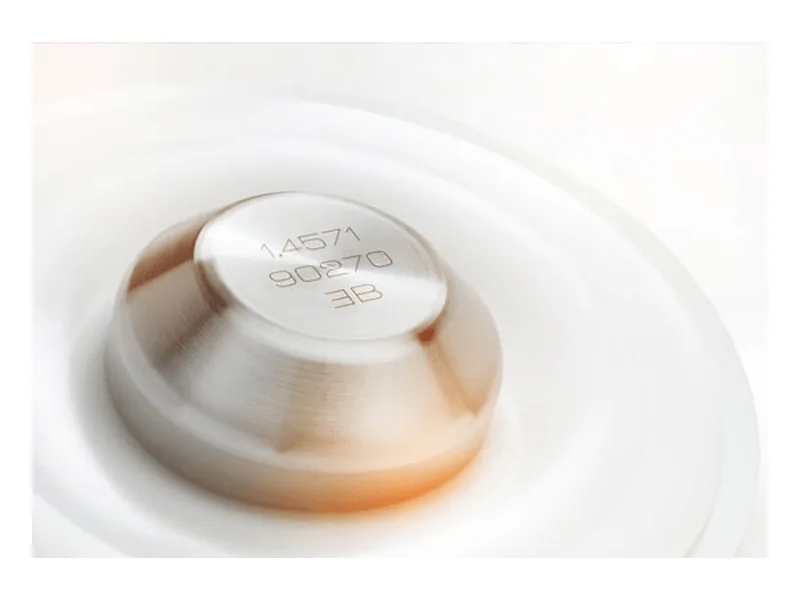
Figure 1: LEWA LEWA sandwich diaphragm. Image source: LEWA official website
- Warning: a drip means the diaphragm has a problem.
- Protection: leaking chemical is led away from the drive.
That is why the port must stay open. If it is, chemical will work its way into the drive end, and you will be replacing far more than a diaphragm.
Leak port drip or seal leak?
Not every leak at the bottom of a pump head is a diaphragm problem. Separate three cases:
- Drip from the leak port: the diaphragm is damaged or weeping.
- Leak at connections: liquid weeps from fittings or valve body seals, usually from aged O-rings, gaskets or loose connectors.
- Leak at the joint between head and drive: possibly poor sealing at the diaphragm edge or loose head bolts.
Wipe the head dry, run the pump for a while and watch where the first drop appears.
Why the leak port starts dripping
Fatigue
A diaphragm flexes tens to hundreds of times a minute. Over time fine cracks form. At first it only weeps and the drip is slow; as cracks grow, the drip becomes steady.
Chemical attack
A diaphragm material that does not suit the chemical swells, hardens or blisters and eventually leaks. This often happens after a change of chemical without a compatibility check.
Overpressure
A blocked line or closed valve can spike pressure and burst the diaphragm. In that case the leak appears suddenly and is often heavy. Besides replacing the diaphragm, find out who closed the valve, whether there is a relief valve and why it did not act, or the new part will not last.
Installation errors
A diaphragm not seated squarely, or head bolts not tightened in a cross pattern, gives uneven clamping and an early leak.
What to do when you see a drip
- Confirm the liquid comes from the leak port, not a fitting.
- Check with pH paper or smell whether it is chemical.
- Plan a stop to replace the diaphragm before it fails completely.
- Inspect the drive end for chemical damage during the repair.
- Clean the leak port and make sure it is clear.
- After restart, check that the port stays dry.
Delaying the repair can lead to falling flow, a pump that stops dosing and eventually a corroded solenoid or hydraulic section. For no-flow diagnosis, see why a pump is not dosing.
Double diaphragm leak detection
Where leaks cannot be tolerated, pumps use double or sandwich diaphragms. The space between the two layers forms a monitoring chamber fitted with a pressure switch, conductivity probe or optical sensor. This is active diaphragm leak detection rather than a simple drip hole.
- If one layer fails, the other still contains the chemical.
- As soon as liquid or pressure appears in the chamber, the sensor raises an alarm.
LEWA sandwich diaphragms work this way, and pumps such as LEWA ecoflow can be supplied with leak monitoring. Test the sensor regularly. On many sites the diaphragm leak detection sensor stopped working long ago and nobody noticed.
Hydraulic diaphragm pumps
On hydraulic diaphragm pumps, a ruptured diaphragm also shows as emulsified oil, changing oil level or oil in the product. See hydraulic diaphragm rupture signs. Mechanical diaphragm and solenoid pumps have no hydraulic oil, so the leak port is the most direct diaphragm leak detection you have.
Which pumps rely on the leak port
Solenoid dosing pumps and small mechanical diaphragm pumps usually have only the drip hole, so their diaphragm leak detection depends on someone looking. Larger process pumps often add a sensor in the intermediate chamber and wire it to the control system. If your pumps dose hazardous or expensive chemicals and still rely on a visual check, ask the supplier whether a diaphragm leak detection kit can be retrofitted. On many models it is a simple head change, and the alarm can stop the pump automatically. That is far cheaper than cleaning up a spill or rebuilding a corroded drive, and it makes diaphragm leak detection independent of how often operators walk past.
Routine checks
- Look at the leak port on every round and confirm it is dry.
- Place a small catch cup under the port so slow weeping is easy to spot.
- Test double diaphragm leak sensors every quarter.
- Replace diaphragms preventively at the interval in the manual and record the date.
Keep one or two sets of diaphragms and seals in stock; our spare parts list helps with planning. Good diaphragm leak detection is only useful if a spare diaphragm is on the shelf when the alarm comes.
Conclusion
A dripping leak port is an early warning of diaphragm damage. First confirm the drip comes from the port and not a fitting or joint, then look for fatigue, chemical attack, overpressure or installation errors. Replace the diaphragm promptly, clean the port and keep it open. On double diaphragm pumps, test the sensor regularly. Simple diaphragm leak detection on every round prevents much bigger failures later.
For diaphragm spares or a leak monitoring upgrade, contact our engineers.
FAQ
The port drips water, not chemical. Do I still need a new diaphragm?
First rule out condensation or splashing. If it is diluted chemical, yes, replace the diaphragm.
Can I seal the leak port?
No. Blocking it lets chemical into the drive, damaging the solenoid, gearbox or hydraulic section.
The port drips right after a diaphragm change. Why?
Usually the diaphragm is not seated squarely or bolts were tightened unevenly. Strip and refit it.
Does every leak at the bottom of the head mean a failed diaphragm?
No. Fittings, valve seals and O-rings also leak. Watch where the liquid first appears.
Can a double diaphragm pump keep running after a leak alarm?
The second layer still holds, so short-term running is possible, but plan a replacement soon. That is the point of diaphragm leak detection.