
Hydrazine Dosing System Safety: Design and Handling Checklist
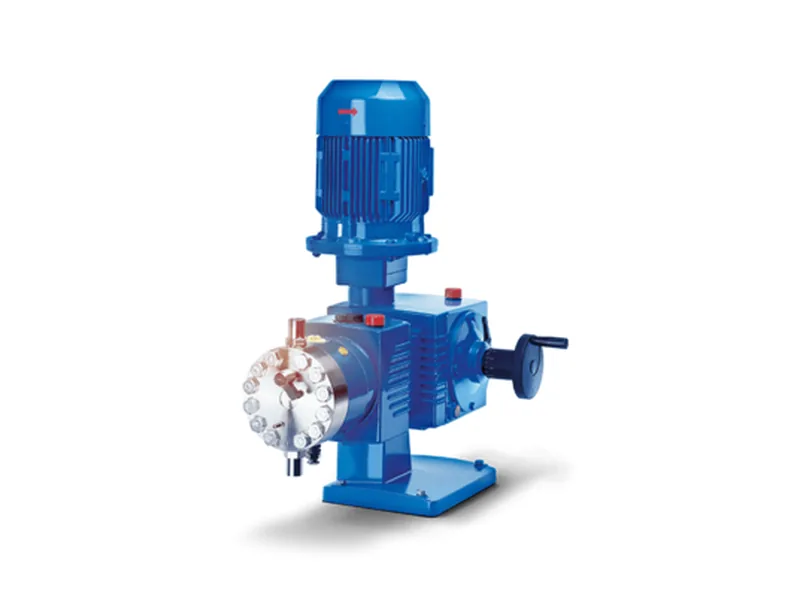
A hydrazine dosing system has one job beyond feeding the right amount of oxygen scavenger: keeping the chemical away from people and away from the room air. Hydrazine is toxic, absorbs through the skin, gives off irritating vapor and decomposes in contact with oxidizers, copper and zinc. So the dosing package should be designed as a closed system from the drum to the injection point. This checklist is for plant chemists, boiler house operators and engineers writing a specification for boiler feedwater treatment.
Why a Hydrazine Dosing System Needs Extra Care
What hydrazine does in the water cycle is covered in our guide to boiler dosing chemicals. Here we stay on safety and hardware.
Compared with phosphate or amine feed, the big difference is toxicity. Splashes on skin get absorbed, and breathing the vapor irritates eyes and airways. Long-term exposure is a bigger concern still. Many older plants mixed hydrazine in open drums by hand, and looking back, almost every incident traces to those open steps.
The rule is simple: closed from end to end, and nobody touches the liquid unless they have to.
Storage and Mixing in a Hydrazine Dosing System
Chemical usually arrives in drums or IBCs. Unloading is where most exposure around a hydrazine dosing system happens. Use a transfer pump or vacuum suction to move product straight from the original container into the storage tank instead of opening and pouring.
Storage and solution tanks should be sealed, with a gasketed lid, a level gauge and a vent connection. Make up the solution with demineralized water through a fixed nozzle rather than an open manway. The vent must not discharge inside the dosing room. Pipe it outdoors to a safe point, or through a scrubber or absorber first.
Some projects add a nitrogen blanket on the storage tank. It keeps air out, slows oxidation losses and also cuts vapor release.
Level gauges and sampling
Pick a gauge you can read without opening the tank, such as a magnetic level indicator. Glass sight tubes break too easily for a hydrazine dosing system. Take samples through a closed valve point, wearing gloves.
Ventilation and PPE Around the Hydrazine Dosing System
The room needs mechanical extraction, with the exhaust grille placed fairly low, since spilled liquid gives off vapor at floor level. Put the fan switch outside the door so the room can be purged before anyone walks in.
Minimum personal protection typically includes:
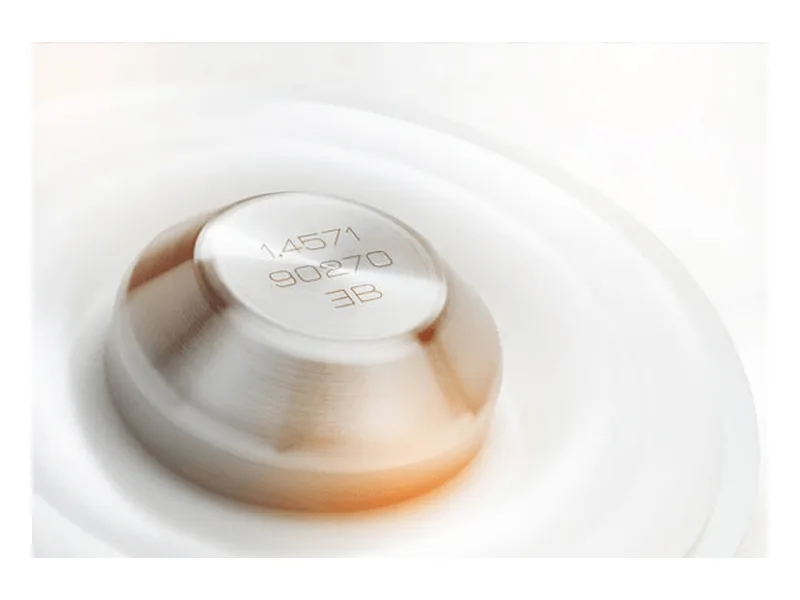
Figure 1: LEWA ecoflow sandwich diaphragm. Image source: LEWA official website
- Chemical goggles or a full face shield;
- Chemical-resistant gloves and protective clothing;
- A respirator where needed, with the cartridge type taken from the supplier's safety data sheet;
- An eyewash station and safety shower at the room entrance.
Test the eyewash regularly. On plenty of sites it has never been opened, and the first flush is rust.
Pump and Pipe Materials for a Hydrazine Dosing System
For wetted parts, use stainless steel and PTFE type materials, and keep copper, brass, zinc and galvanized parts out of the hydrazine dosing system. Copper and zinc speed up decomposition and get corroded themselves. Gauges, valves and fittings often hide brass parts, so check each item on the bill of materials.
Dose rates are small and discharge pressure is usually high, especially when injecting after the feedwater pump. That points to a hydraulic diaphragm metering pump. A diaphragm pump has no dynamic seal on the process side, so the liquid end does not leak the way a packed plunger pump can.
LEWA ecoflow is one example. LEWA describes it as hermetically sealed, with a patented sandwich diaphragm, a diaphragm monitoring system and an integrated pressure relief valve in the hydraulic part, and lists toxic fluids among its duties. Whatever brand you choose, ask two questions: does it alarm on diaphragm rupture, and can the liquid end leak to atmosphere? See our hydraulic diaphragm pumps and LEWA metering pumps for options.
Run the discharge line in stainless steel tube with welded or compression joints, and keep threaded connections to a minimum. Fit a check valve at high-pressure injection points. Details are in our notes on boiler dosing system installation.
Spill Response for a Hydrazine Dosing System
Put the skid on a bund or drip tray that can hold the full contents of one tank. Coat the floor and slope it to a collection pit.
For a small spill, start the extraction fan, put on PPE, dilute with plenty of water into the pit, then handle the waste under your hazardous waste procedure. Do not soak it up with sawdust or rags. Hydrazine in porous combustible material is a fire risk. Keep hypochlorite, hydrogen peroxide and other oxidizers out of the same room, since an accidental mix can react violently.
The emergency plan should state who closes the valves, who reports, and where the waste goes. Drill it at least once a year, with the people who actually run the hydrazine dosing system.
Day-to-Day Operation of a Hydrazine Dosing System
Before opening a pump head or changing valves, stop the pump, release pressure and flush the head and line with demineralized water. Collect flush water as hydrazine-bearing waste.
Adjust the dose against feedwater oxygen and residual hydrazine readings. If the lab numbers drift, check solution strength and actual pump output before you turn up the stroke. For where to inject, see boiler chemical injection points.
Conclusion
A safe hydrazine dosing system is less about whether the pump can push the chemical in and more about protecting people and the room. Keep storage and mixing closed with the vent piped outdoors, give the room mechanical extraction, eyewash and PPE, keep copper and zinc out of the wetted path, choose a leak-free hydraulic diaphragm pump with rupture alarm, and back it all with a bund and a written spill plan. Send us boiler pressure, injection point, dose rate and solution strength, and we will help you specify a hydrazine dosing system.
FAQ
Can I use a PVC tank in a hydrazine dosing system?
It is not the usual choice. With sealing and nitrogen blanketing in mind, stainless steel tanks are more common; follow the chemical supplier's compatibility data.
Is hydrazine hydrate the same as hydrazine?
Close enough on site. Plants dose a water solution of hydrazine, called hydrazine hydrate, at a strength set by the product grade.
Can a solenoid pump work as a hydrazine metering pump?
Sometimes, at low pressure and low flow. Feedwater pressure is often too high for a solenoid pump, so most projects use hydraulic diaphragm pumps.
What should I do after skin contact?
Remove contaminated clothing and rinse with plenty of water, then get medical help. Post the first aid steps from the safety data sheet at the room door.
Are there safer oxygen scavengers than hydrazine?
Yes, several lower-toxicity alternatives exist, but they suit different boiler conditions. The water chemistry team should decide; swapping the chemical is not just a pump change.