
Can a Metering Pump Discharge Pipe Be UPVC? Choosing Material
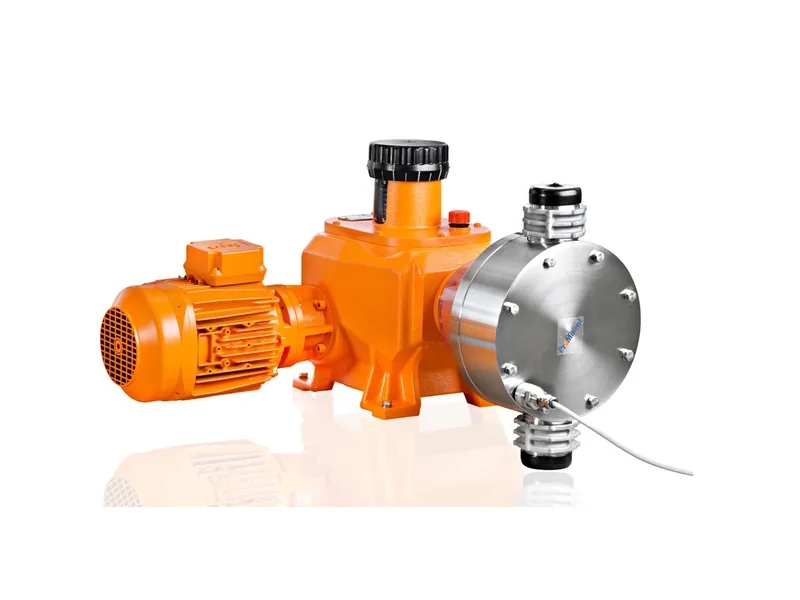
Can a hydraulic diaphragm metering pump discharge pipe be UPVC? Yes for low pressure, ambient temperature and a line with proper damping and protection. No for high pressure, high temperature or heavy pulsation. Choosing a metering pump discharge pipe is not only about chemical resistance. Pressure rating, temperature derating and pulsation all matter, and they explain most cracked UPVC lines and leaking joints on site.
This article starts with what makes a hydraulic diaphragm pump outlet different, then shows how to choose the metering pump discharge pipe and what protection plastic pipe needs.
What Makes the Outlet of a Hydraulic Diaphragm Pump Different
A hydraulic diaphragm metering pump is a reciprocating pump. Flow leaves in pulses, not as a steady stream. At the start of each stroke the liquid in the line must accelerate from rest, which produces a pressure peak well above the average shown on the gauge. The longer and narrower the line, the bigger that peak.
Hydraulic diaphragm pumps also tend to work at medium to high pressure, and several megapascals is common. Together these two facts mean a metering pump discharge pipe must meet a higher standard than ordinary water pipe.
When UPVC Works
UPVC resists acids and alkalis, costs little and is quick to install, so it is everywhere in water treatment dosing. It is suitable when:
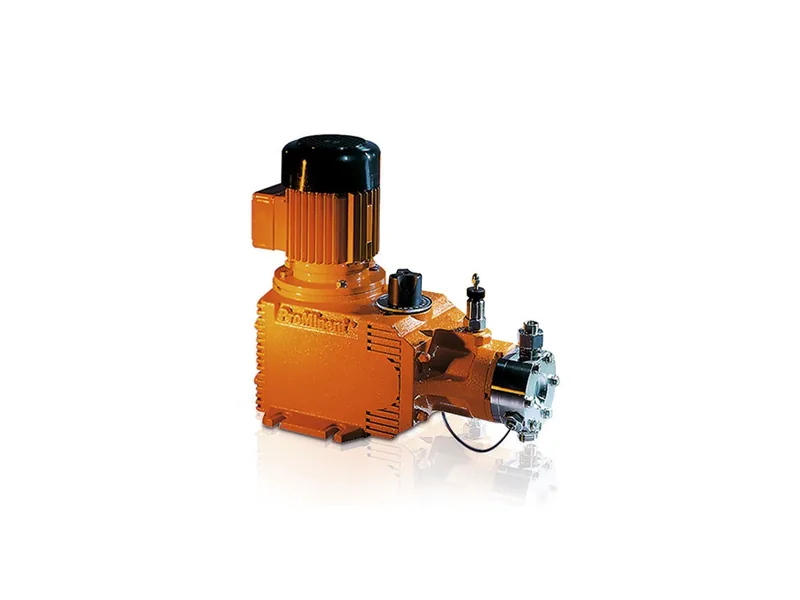
Figure 1: ProMinent 普罗名特 Hydro API 675 hydraulic diaphragm metering pump. Image source: ProMinent 普罗名特 official website
- Discharge pressure is well inside the pipe's nominal rating, with margin.
- The fluid is near ambient temperature, because UPVC loses pressure rating quickly as it warms.
- The line is short and a pulsation damper removes the peaks.
- The chemical does not swell or stress-crack UPVC.
Under those conditions UPVC is fine, and many sodium hypochlorite and PAC systems run this way. See sodium hypochlorite pipe material and PAC dosing pipe material.
When UPVC Should Not Be Used
- Discharge pressure close to or above the pipe's nominal rating.
- Hot fluid, or outdoor pipe sitting in direct sun.
- No damper on a long line with large pressure peaks.
- Chemicals that attack UPVC, such as concentrated sulphuric acid and some solvents.
Forcing UPVC into these duties leads to weeping solvent joints, cracked pipe and, at worst, a burst line spraying chemical at people nearby.
Other Metering Pump Discharge Pipe Options
Stainless steel
316L stainless handles high pressure and temperature and suits most neutral and alkaline fluids. It does not suit hydrochloric acid, sodium hypochlorite or other chloride-rich chemicals, so check a corrosion table first.
PVDF
PVDF resists a wider range of chemicals than UPVC and tolerates more heat, with moderate pressure capability. It suits aggressive chemicals at modest pressure but costs a good deal more.
Lined steel
A steel outer pipe carries the pressure while a PTFE or PO liner resists the chemical. It suits high pressure combined with corrosive fluids and needs specialist installation.
Protection Plastic Pipe Must Have
- A pulsation damper close to the pump outlet to cut pressure peaks.
- An external relief valve set below the allowable pipe pressure.
- Pipe clips at the specified spacing to prevent vibration fatigue.
- A short stainless or flexible metal transition at the pump outlet before the plastic starts.
- A dosing pipeline pressure test once installation is complete.
A Simple Order for Choosing the Metering Pump Discharge Pipe
Start with the chemical and rule out materials it attacks. Then use pressure and temperature to set the required rating, including temperature derating. Finally, look at pulsation and line length to decide whether a damper is essential and whether plastic is acceptable at all. Follow that order and the metering pump discharge pipe will rarely be wrong. When in doubt, go one grade up; it costs far less than rework.
Common Field Mistakes
The first mistake is sizing the metering pump discharge pipe from nameplate pressure alone and ignoring pulsation peaks. The gauge reads one point something megapascals, the pipe is rated for exactly that, and the joints start weeping within months. The second is treating summer and winter the same. Outdoor UPVC that is hot to the touch has already lost much of its rating. The third is fitting the damper far from the pump, so a long stretch of pipe still takes every pulse. The fourth is rushing solvent welds without proper cleaning and curing, which makes every joint a weak point.
Each mistake looks minor on its own. Stacked together they cause failures. One more calculation at design and one more check during installation prevent most of them.
Changing Material on an Existing Line
When replacing UPVC with stainless or PVDF, check valves, flanges and gaskets at the same time, or the new metering pump discharge pipe will be let down by fittings that cannot take the pressure or the chemical. Use proper transition fittings where materials meet and allow for thermal movement. Pressure test the line again before putting it back in service.
Conclusion
A hydraulic diaphragm pump can use a UPVC metering pump discharge pipe at low pressure and ambient temperature, with a damper and relief valve. At high pressure, high temperature, heavy pulsation or with incompatible chemicals, move to stainless, PVDF or lined steel. Choose on chemical, pressure, temperature and pulsation together. For pump data, see our hydraulic diaphragm metering pumps and ProMinent pumps, or contact our engineers for help with line design.
FAQ
Can a hydraulic diaphragm pump really not use UPVC pipe?
It can, but only at low pressure and ambient temperature, with a damper and relief valve.
How do I read a UPVC pressure rating?
Use the nominal pressure printed on the pipe. That figure applies at ambient temperature and must be derated as temperature rises.
Can I use hose on the discharge?
Yes, if it is a reinforced hose with an adequate pressure rating, properly secured and checked for ageing.
Can a hypochlorite discharge line be stainless?
Not recommended. Chloride-rich fluids corrode stainless; UPVC or PVDF is normal.
With a damper fitted, do I still need a relief valve?
Yes. A damper only smooths pulses. Only a relief valve protects the metering pump discharge pipe when the line blocks.