
Chemical Injection Pump Selection for Oil, Gas and Petrochemical Plants
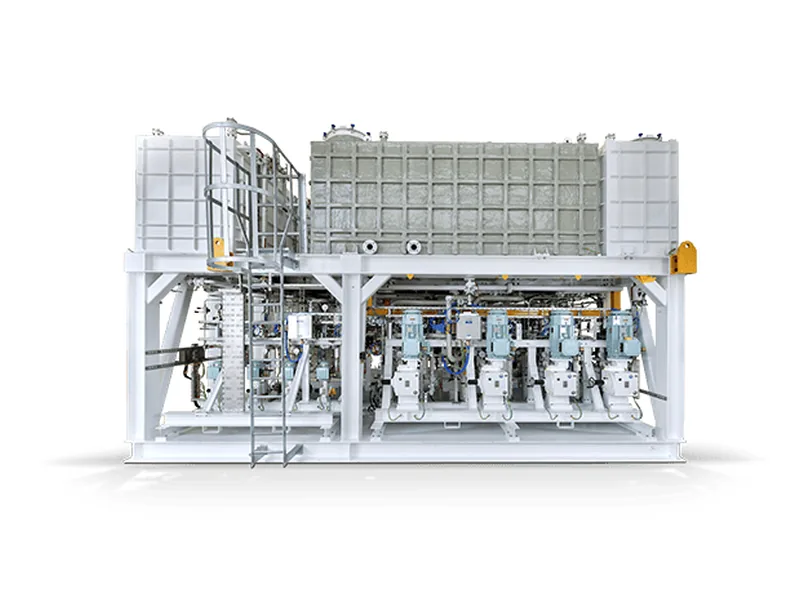
A chemical injection pump keeps oil and gas assets running. It feeds corrosion inhibitor into flowlines, methanol against hydrates, demulsifier into crude separation and neutraliser into refinery overheads. Injection points sit at line pressure, the chemicals are often toxic or flammable, and a stopped pump can turn into a plant problem within hours.
Choosing one is a different exercise from picking a water treatment dosing pump. Below is how we work through pressure, pump type, materials, hazardous areas and drives, using LEWA's published injection package data as a reference point.
Start with the pressure class
The injection point pressure sets the direction, so get the real maximum from the process engineers rather than a design figure copied from an old data sheet. Wellheads, water injection lines and hydrotreater feeds often run at hundreds of bar. LEWA quotes its chemical injection packages for flows from 5 ml/h to 180 m³/h, with diaphragm pumps up to 1200 bar and plunger pumps up to 3500 bar discharge pressure.
The practical reading: as long as the pressure is inside the diaphragm range, most operators choose a diaphragm chemical injection pump, because there is no dynamic seal on the process side and nothing leaks to atmosphere. Plunger designs come in above that range.
Diaphragm or plunger
LEWA states the metering pumps in its packages comply with API 675, and its plunger pumps with API 674. A simple rule set:
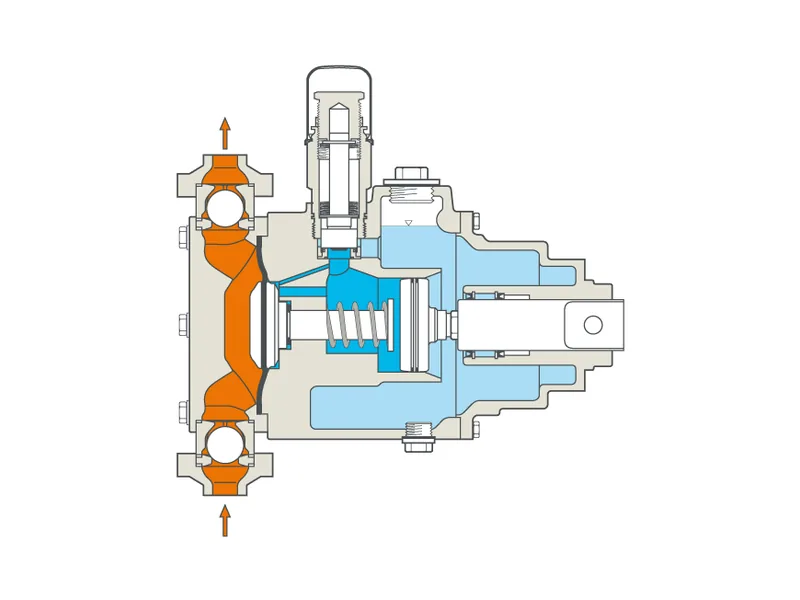
Figure 1: LEWA ecoflow M900 diaphragm pump head. Image source: LEWA official website
- Toxic, flammable or costly chemicals: hydraulic diaphragm, ideally with diaphragm rupture monitoring.
- Extreme pressure or high flow: plunger, accepting packing leakage and more maintenance.
- Chemicals with solids: evaluate valve type and head design case by case.
API 675 sets requirements for accuracy, linearity and testing. Our article on the API 675 diaphragm pump standard covers the details.
Wetted materials for a chemical injection pump
Oilfield fluids bring hydrogen sulphide, chlorides and sand, and standard 316 stainless is not always enough. LEWA lists Incoloy, Monel, titanium and Hastelloy among the alloys it uses on injection packages. When selecting materials, consider not only the chemical but also process fluid that may back-flow from the injection point.
Piping has to keep up. LEWA recommends socket-welded or butt-welded pipe at higher pressures and uses tubing for suction and discharge up to 20,000 psi. Check every fitting, gauge and check valve against the pump rating. A common weak spot is a gauge or check valve rated lower than the chemical injection pump itself.
Hazardous areas and site conditions
Refineries and platforms are mostly classified areas. LEWA designs its packages to standards such as ASME, API and ATEX. Give the supplier the zone, gas group and temperature class so the motor, junction boxes and instruments are all rated consistently. For a smaller ATEX motor-driven option, see the Doseuro Model D mechanical diaphragm pump.
Ambient temperature matters too. In desert heat or arctic cold, chemical viscosity can change sharply, so heat tracing or insulation may be needed. Outdoor skids need sun and rain protection, and the control cabinet's ingress rating should not be an afterthought.
Drives when there is no grid power
Remote wellsites often lack reliable electricity. LEWA notes its injection package pumps can be driven by electric motors, solar power, compressed air, gas or diesel engines, and that it has supplied autonomous solar-powered injection systems for more than 30 years.
Match the drive to the energy on site. Where fuel gas is available, a gas-driven chemical injection pump may be simpler than running power cables. Inside a plant with stable power, an electric motor with a VFD is easiest to tie into the control system.
Package design and acceptance
A chemical injection pump rarely stands alone. It sits on a skid with storage tanks, filters, relief valves, pulsation dampeners and flow meters. LEWA mentions computer-based fluid dynamics calculations for the piping and proper placement of pulsation dampers, and tanks in rectangular or cylindrical form with optional multiple compartments.
For acceptance, we recommend at least:
- A factory acceptance test (FAT) to verify flow, pressure and accuracy.
- Material certificates, NDT and PMI, especially for high-alloy parts.
- A site acceptance test (SAT) with the actual or a substitute fluid.
LEWA's largest package to date had more than 40 diaphragm pumps, 120 injection points and 18 storage tanks. A big project means a longer checklist, but the logic is the same.
Routine maintenance
Plants run continuously, so service each chemical injection pump on a schedule rather than waiting for alarms. Each shift, check discharge pressure, leak detection and motor temperature. Each month, compare injected volume with the drop in tank level. Replace diaphragms, valve balls and seats at the interval the manufacturer recommends. Corrosion inhibitors and demulsifiers can foul valves, so flush the pump head with solvent before a planned shutdown.
Conclusion
Select a chemical injection pump by injection pressure first, then materials based on both chemical and process conditions, and finally hazardous area, environment and drive. Diaphragm pumps are the default for toxic and flammable chemicals; plunger pumps cover the extreme pressure end.
Treat the pump as part of a package and test it that way. For general high-pressure selection, see our high-pressure metering pump guide, or contact our engineers to review your injection data.
FAQ
How does a chemical injection pump differ from a water treatment dosing pump?
It works against process line pressure, often tens to hundreds of bar, handles hazardous chemicals and runs continuously. Most water treatment pumps stay below 10 bar.
Does a chemical injection pump have to meet API 675?
Most oil, gas and refinery specifications call for API 675 on diaphragm and plunger metering pumps, and API 674 on reciprocating plunger pumps. Follow the owner's specification.
What pump is used for methanol injection?
Methanol is flammable and injected at high pressure, so a hydraulic diaphragm pump with an explosion-proof motor is the usual choice.
Can a chemical injection pump run without grid power?
Yes. Solar, compressed air, gas and diesel drives are all used on remote sites.
What should package acceptance include?
FAT records, material certificates, NDT and PMI reports, followed by a SAT under real operating conditions.