
Hydraulic Diaphragm Pump Lifespan: Service Life and Overhaul
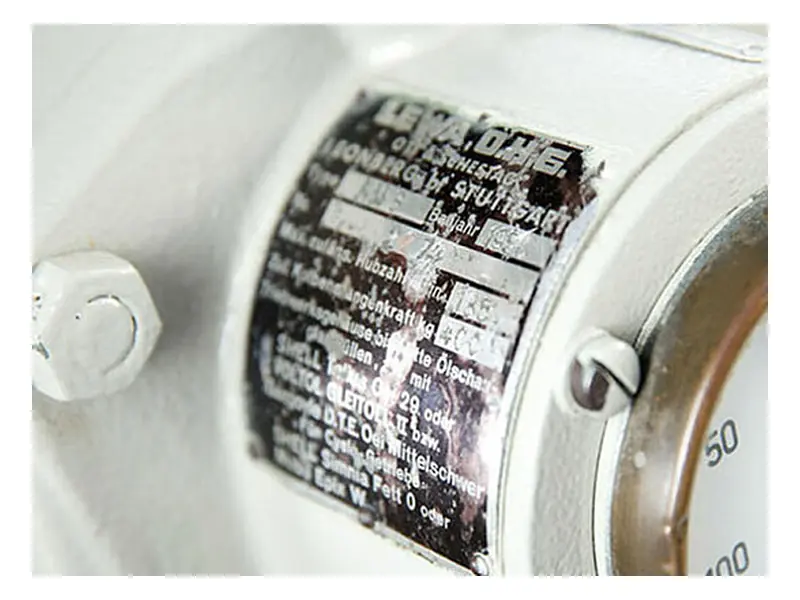
There is no single number for hydraulic diaphragm pump lifespan. A well-kept gearbox and pump body can run for well over a decade, but the diaphragm, check valves, seals and hydraulic oil are wear parts that need replacing on a schedule. To judge hydraulic diaphragm pump lifespan, separate the life of the machine from the interval of its wear parts.
This article looks at each component, the factors that shorten its life and how to plan an overhaul. Mechanical diaphragm pump life is covered in a separate article.
Why Hydraulic Diaphragm Pumps Outlast Mechanical Ones
In a hydraulic diaphragm pump, both sides of the diaphragm are supported by liquid: chemical on one side, hydraulic oil on the other. The diaphragm sees an even load and only a small pressure difference, so it rarely fatigues. In a mechanical diaphragm pump the diaphragm is pushed and pulled directly by a connecting rod, which concentrates stress. That is why hydraulic designs cost more but suit continuous duty and high pressure.
Typical Replacement Intervals by Component
These are experience ranges for common duties. Your manual and operating records come first.
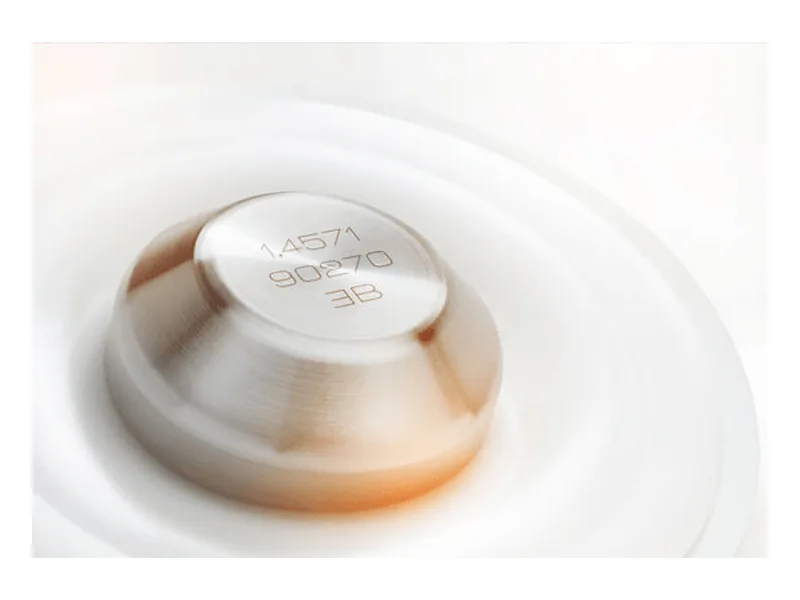
Figure 1: LEWA 力华 ecoflow multi-layer diaphragm. Image source: LEWA 力华 official website
- Diaphragm: inspect or replace every one to two years on continuous duty, longer on clean fluids at steady pressure. Pumps with rupture detection can be changed on alarm.
- Check valve balls and seats: strongly affected by the fluid. Abrasive or crystallising chemicals can wear them in months; clean fluids may run over a year.
- Hydraulic and gear oil: change early after commissioning, then by running hours or yearly.
- Seals: replace at overhaul.
- Plunger, bearings, worm gear: long-lived with good care; inspect at overhaul and replace only when worn beyond limits.
What Shortens Hydraulic Diaphragm Pump Lifespan
The fluid
Corrosive, abrasive or crystallising chemicals speed up valve and diaphragm wear. Material choice matters too; see PTFE diaphragm material and lifespan.
Pressure and stroke rate
Running close to rated pressure or at high stroke rates loads every part harder. Sizing with margin lets the pump work in a more comfortable range and extends hydraulic diaphragm pump lifespan.
Suction conditions
Cavitation and knocking from small or long suction lines damage the diaphragm, valves and drive at the same time.
Maintenance habits
Skipped oil changes, unchecked oil levels and neglected refill and relief valves are the main reasons pumps need early overhauls. See which oil to use.
Reading Remaining Life From Operating Data
The best guide to hydraulic diaphragm pump lifespan is operating data, not the age on the nameplate. Once a month, measure actual flow with a calibration column at the same stroke and discharge pressure, and compare it with the commissioning figure. A slow drop in flow usually points to valves or the refill system. Normal flow with gearbox temperature creeping up year on year points to bearing and worm wear. Plot these numbers and you can forecast the next overhaul, order parts and book a shutdown before the pump fails in peak season.
When to Plan an Overhaul
Plan an overhaul rather than more patch repairs when:
- Accuracy stays out of spec after new diaphragm and valves.
- The gearbox is noisy or running hotter, or there is metal in the oil.
- Oil seals keep leaking soon after replacement.
- The plunger is scored, chamber leakage rises and the refill valve works constantly.
An overhaul normally covers gearbox inspection, new bearings, seals and any worn worm gear; plunger and liner checks; new diaphragm, valves and all seals; reservoir cleaning and fresh oil; and flow recalibration. For the strip-down, follow our hydraulic diaphragm pump disassembly guide.
Habits That Extend Service Life
- Keep a log of running hours, discharge pressure, flow and every part change.
- Change oil on schedule and check level and colour on every round.
- Fit and clean a suction strainer when the fluid carries particles.
- Flush the liquid end with water before long shutdowns to stop crystals forming.
- Keep critical spares on the shelf so a damaged diaphragm or valve is replaced at once.
Manufacturers such as LEWA point to diaphragm position control and multi-layer diaphragms as reasons for long hydraulic diaphragm pump lifespan with the ecoflow range. Those design gains still depend on proper maintenance.
Budgeting Around Hydraulic Diaphragm Pump Lifespan
Plant managers often ask how to turn hydraulic diaphragm pump lifespan into a budget. A simple approach works well. Treat the drive as a long-term asset and book a full overhaul every several years, timed from your own gearbox temperature and oil analysis trends. Treat the diaphragm, valves and seals as consumables and buy them yearly as a kit for each pump. Treat oil as a running cost tied to operating hours.
This split keeps surprises small. When a diaphragm fails early, the kit is already on the shelf and the pump is back in service the same shift. When the gearbox finally needs work, the overhaul has been planned and funded. Sites that track hydraulic diaphragm pump lifespan this way usually find their pumps last longer simply because nobody is tempted to run a worn part for one more month. It also gives a clear basis for comparing suppliers, because you can price the total cost over the expected hydraulic diaphragm pump lifespan rather than the purchase price alone.
Conclusion
Hydraulic diaphragm pump lifespan depends on design and on maintenance. The drive and body can last a very long time, while diaphragms, valves, seals and oil follow regular intervals. Plan service from fluid, pressure and operating records, and overhaul when accuracy slips, the gearbox gets noisy or seals keep leaking. See our hydraulic diaphragm metering pumps, or contact our engineers to build a spares list.
FAQ
What is a typical hydraulic diaphragm pump lifespan in years?
With good care the drive can exceed ten years, provided wear parts are changed on schedule.
How often should the diaphragm be changed?
Usually every one to two years, adjusted for fluid and records.
Should I replace a diaphragm that has not failed?
On critical continuous duty, yes. Planned replacement avoids an unplanned shutdown.
How long does an overhaul take?
It depends on pump size and parts availability. With spares ready, a few days is common.
Overhaul or replace an old pump?
If the gearbox is sound, an overhaul usually costs less. If it is badly worn or parts are discontinued, consider a new pump.