
Gear Pump vs Diaphragm Metering Pump: Which Fits Your Fluid?
The gear pump vs diaphragm metering pump decision mostly comes down to the fluid. Clean, lubricating liquids with stable viscosity, where you want smooth continuous flow, suit a gear pump. Corrosive chemicals, slurries with particles, anything that must not leak, and water treatment chemicals that need precise dosing belong on a diaphragm metering pump. This article walks through fluid, accuracy, pressure and maintenance so process engineers and buyers can make the call quickly.
Gear Pump vs Diaphragm Metering Pump: How Each One Moves Liquid
A gear metering pump uses two precision gears in mesh. Liquid is carried in the tooth spaces from suction to discharge, so each revolution moves a nearly fixed volume. Flow is proportional to speed and almost pulse-free.
A diaphragm metering pump moves a diaphragm back and forth with suction and discharge check valves. Each stroke draws in and pushes out one fixed volume, so flow arrives in pulses. You adjust it with stroke length and stroke rate. The diaphragm separates the chemical completely from the drive, so the liquid end has no dynamic seal.
Everything else in the gear pump vs diaphragm metering pump comparison follows from those two designs, including what each one tolerates when things go wrong on site. For background, see our overview of the four types of metering pumps and the parts of a diaphragm metering pump.
Gear Pump vs Diaphragm Metering Pump: When the Gear Pump Wins
Gears seal against the casing through very tight clearances and rely on the fluid itself for lubrication. A gear pump is happiest with:
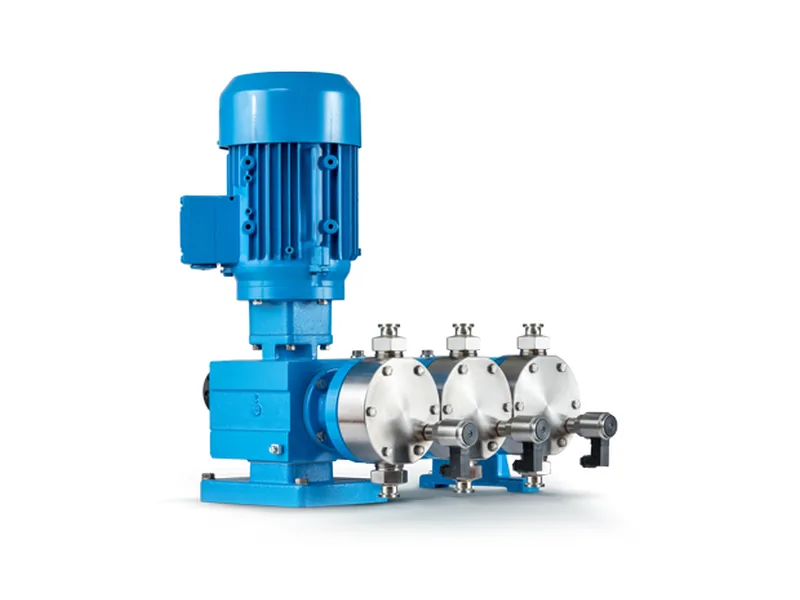
Figure 1: LEWA ecodos mechanical diaphragm metering pump. Image source: LEWA official website
- Viscous, lubricating liquids such as oils, additives, resins, adhesives and polymer solutions
- Clean fluid without hard particles
- Fairly stable viscosity and temperature
These are exactly the fluids that make a diaphragm pump awkward. Thick liquid closes check valves slowly and accuracy drifts, while a gear pump keeps turning smoothly. Continuous blending, coating and inline ratio control are classic gear pump jobs, and in those plants the smooth output often matters more to the process than the last fraction of a percent of accuracy.
Gear Pump vs Diaphragm Metering Pump: When the Gear Pump Loses
Some duties rule out a gear pump almost immediately:
- Aggressive chemicals. Hydrochloric acid, sulfuric acid and sodium hypochlorite demand exotic gear and shaft materials, and once clearances wear, accuracy is gone.
- Particles or crystallizing fluids. Solids grind the gears; crystals can lock them.
- Thin, water-like chemicals. There is no lubrication, and internal slip through the clearances rises, so flow changes with every shift in differential pressure.
- Risk of running dry. An empty tank means metal-on-metal wear within minutes.
- Toxic fluids that must not leak. Shaft seals can weep; magnetic drives solve that but add cost and complexity.
Most water treatment dosing ticks several of these boxes, which is why municipal plants, wastewater sites, boilers and cooling towers overwhelmingly use diaphragm metering pumps.
Gear Pump vs Diaphragm Metering Pump Accuracy
Gear pump accuracy is limited by slip. The lower the viscosity and the higher the pressure difference, the more liquid leaks back through the clearances. That is why gear dosing pumps are often paired with a flow meter in closed loop, or calibrated at one fixed operating point.
Diaphragm metering pump accuracy depends on stroke volume. With stable back pressure and healthy check valves, repeatability is very good across the rated range and changes in system pressure have less effect. The price is pulsation; where smooth flow matters, add a pulsation dampener. A practical point many buyers miss: for a gear pump vs diaphragm metering pump trial on a new chemical, run a calibration check at real operating pressure, not on an open bucket.
Pressure, Maintenance and Service Life
Both designs can reach medium to high pressure. Gear pump slip grows with pressure, while diaphragm pumps handle high pressure best in hydraulic diaphragm form.
Maintenance in the gear pump vs diaphragm metering pump comparison looks quite different:
- Gear pumps wear gears, bearings and shaft seals. Wider clearances mean lost flow, and repair usually means a rebuild.
- Diaphragm pumps wear diaphragms, check valve balls and seats. These are quick swaps that site technicians can do.
As one example, the LEWA ecodos mechanical diaphragm metering pump is a common process dosing solution in which the diaphragm isolates the chemical from the drive, suiting corrosive chemical feed; confirm liquid end materials against the current LEWA documentation. Browse our diaphragm metering pump range and the LEWA brand page for options.
A Simple Decision Order
Treat gear pump vs diaphragm metering pump as a three-step check. Start with the fluid: corrosiveness, solids, viscosity and lubricity. Corrosive or abrasive means no gear pump. Next, look at the process: if you need smooth continuous flow for blending and the fluid is a clean oil or resin, the gear pump comes first. Last, look at control: if the job is dosing a treatment chemical to a signal, a diaphragm metering pump is the low-maintenance choice.
Progressive cavity and peristaltic pumps are the other usual alternatives; we compare them in diaphragm vs peristaltic, lobe and centrifugal pumps.
Conclusion
In the gear pump vs diaphragm metering pump question, neither design is better across the board; each suits different fluids. Clean, lubricating, stable-viscosity fluids that need continuous flow go to a gear pump. Corrosive, abrasive, thin, toxic or run-dry-prone duties go to a diaphragm metering pump. If you are unsure about gear pump vs diaphragm metering pump for your fluid, send us the chemical, concentration, viscosity, temperature, flow and pressure and contact our engineers for a recommendation.
FAQ
Can a gear pump handle sodium hypochlorite?
Not recommended. Hypochlorite is corrosive, has no lubricity and gasses off. A diaphragm metering pump is the safer choice.
How do you adjust a gear dosing pump?
Usually by speed through a variable frequency drive, since flow is roughly proportional to speed. For tight accuracy, close the loop with a flow meter.
Can a diaphragm metering pump handle viscous fluid?
Yes, with larger spring-loaded check valves, lower stroke rate and flooded suction. Otherwise the head does not fill and output drops.
Is a few minutes of dry running a problem for a gear pump?
It can be. Even short dry runs can damage gears and seals, so fit a low-level switch that stops the pump.
Why is gear pump vs diaphragm metering pump rarely a debate in water treatment?
Water treatment chemicals are mostly corrosive, thin and non-lubricating, and some crystallize. All of that favors the diaphragm design.