
High Temperature Metering Pump: Diaphragm Limits and Cooling Tips
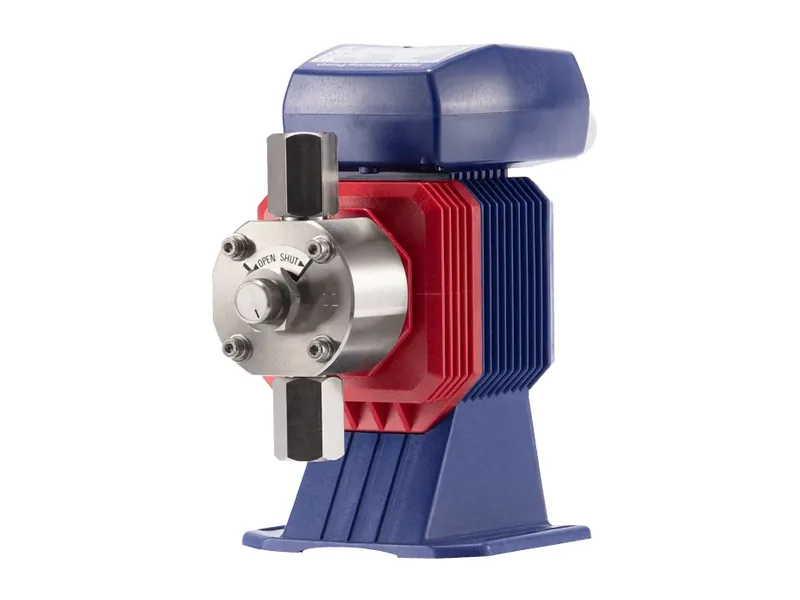
Looking for a high temperature metering pump? There is no single temperature rating for diaphragm metering pumps. The limit is set by the weakest wetted part: pump head, diaphragm, valve seat or seal. Plastic heads usually sit lower than metal ones, heads from the same maker differ, and the only reliable figure is the one in the data sheet for your exact model. A diaphragm pump can handle hot liquid, but two things have to be solved together: the materials must survive, and the liquid must not flash to vapor on the suction side. This guide is for operators and engineers at boiler houses, chemical plants and plating lines.
What sets the limit of a high temperature metering pump
The wetted parts are the head, diaphragm, balls, seats and O-rings or gaskets. Heat affects each one differently:
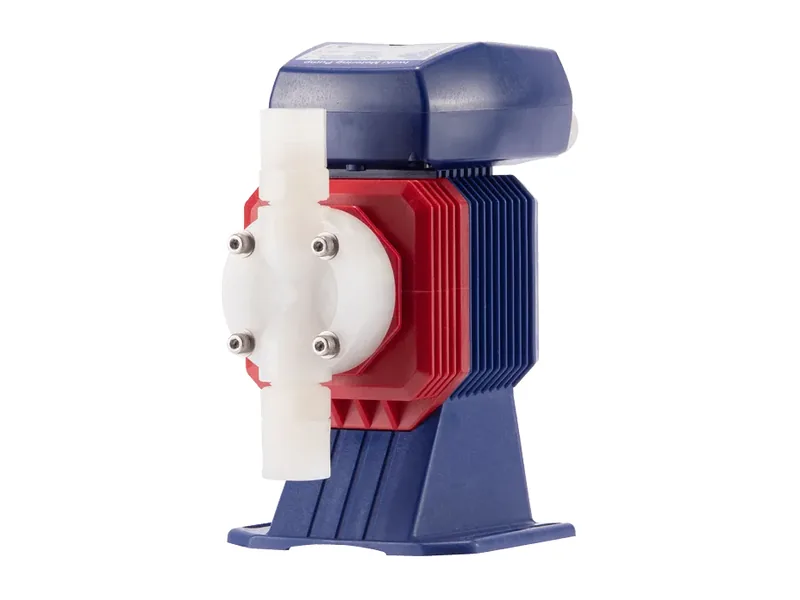
Figure 1: IWAKI EHN solenoid metering pump with FC PVDF head. Image source: IWAKI official website
- Plastic heads. PVC and PP soften, and the clamped sealing faces creep under bolt load. The symptom is a head that weeps, gets tightened, and weeps again a few weeks later.
- Diaphragms. The elastomer backing of a PTFE-faced diaphragm ages faster when hot, so diaphragm life drops.
- Seals. Every O-ring compound has its own range. The wrong one hardens or swells.
The IWAKI EHN solenoid pump data sheet is a good example. It lists a liquid temperature range of 0 to 60 °C, but only 0 to 40 °C for the transparent PVC VC/VH heads. The PVDF FC head and the SUS316 SH head both fall inside that same 0 to 60 °C range. A stainless head does not automatically make a high temperature metering pump, because the diaphragm, seals and drive have limits of their own.
What goes wrong in a high temperature metering pump
Beyond materials, temperature affects metering itself, and this part is often missed.
The hotter the liquid, the higher its vapor pressure and the easier it boils. On every suction stroke, pressure in the pump chamber drops. Hot liquid flashes at the valve and in the chamber, forming vapor bubbles. Vapor compresses, so the pump moves gas instead of liquid. Output falls, sometimes to nothing, with noise and vibration. That is cavitation.
Suction conditions cause more trouble than head material. A pump mounted above the liquid level, a long thin suction line or a fast stroke rate all lower suction pressure and make flashing worse.
Thermal stress matters too for any high temperature metering pump. The Cheonsei KD manual specifically warns users to protect the pump from thermal stress when feeding hot or cold liquids, and plastic heads are the most vulnerable.
Choosing a high temperature metering pump
Work through these steps in order:
- Confirm the liquid temperature at the pump head, not in the process line. Often the heat exists only at the injection point, while the pump draws from a tank at room temperature.
- If the head really runs hot, start with a 316 stainless head and pick diaphragm and seal materials rated for the temperature.
- Check the whole pump's liquid and ambient ranges. The NEWDOSE mechanical diaphragm pump manual asks for an ambient of 0 to 45 °C, and its solenoid pump manual asks users to stay within 0 to 40 °C and away from heat sources. Mount a pump right beside a boiler and the ambient alone may be out of range.
- If no data sheet covers your temperature, cool the liquid before it reaches the pump.
Browse our diaphragm metering pumps and the IWAKI range for head options, and see how diaphragms age in our article on PTFE diaphragm service life.
Cooling a high temperature metering pump and preventing flashing
Cool before the pump
Fit a small heat exchanger on the pump inlet and bring the liquid down into the data sheet range with cooling water. Keep the chemical tank in a ventilated spot away from hot equipment.
Use the discharge line as a heat sink
Make the discharge line between the pump and a hot injection point a little longer and leave it uninsulated, so heat dissipates along the pipe instead of travelling back to the head. Fit an injection valve and check valve at the injection point so hot process fluid cannot flow back. Our guide to boiler chemical injection points shows typical layouts.
Improve suction conditions
Mount the pump below the tank level so it is flooded, keep the suction line short and generous in bore, and slow the stroke rate while increasing stroke length to hold the flow. Details are in our article on metering pump suction lift and flooded suction.
One field lesson
Some tanks are heated with steam coils to stop crystallization. If that heating is poorly controlled, tank temperature creeps up and the pump becomes erratic. Fixing the tank temperature works far better than replacing the pump.
Before opening a high temperature metering pump, stop it, relieve pressure and let the head cool. Wear heat-resistant gloves and face protection.
Conclusion
A high temperature metering pump is defined by its weakest wetted material, not by a headline rating, and plastic heads run lower than metal ones; always check the data sheet. Diaphragm pumps can handle hot liquids when the head material is right and suction flashing is prevented: confirm the true temperature at the head, cool if needed, let the discharge line shed heat, flood the suction and slow the stroke rate. Send us the fluid, temperature, flow and pressure and contact our engineers to check head and pump limits.
FAQ
Why does a high temperature metering pump lose flow?
Usually vapor forming on the suction side. Slow the stroke rate, flood the suction, shorten the suction line or cool the liquid first.
Does a stainless head make any pump a high temperature metering pump?
No. Diaphragms, seals and the drive also have limits, so follow the liquid temperature range for the complete pump.
Is PVDF better than PVC for heat?
PVDF generally tolerates more heat than PVC, but the exact figure depends on the manufacturer's data sheet.
Do boiler dosing pumps need a high temperature metering pump?
Usually not. They draw from a tank at room temperature; heat and pressure sit at the injection point, separated by check and injection valves. Pressure rating matters more.
Does hot ambient air matter?
Yes. Solenoid coils and circuit boards age faster when the ambient exceeds the manual's range. Keep pumps away from hot equipment and add shade or ventilation.