
Doseuro Metering Pump Adjustment: Stroke Length and Speed Control
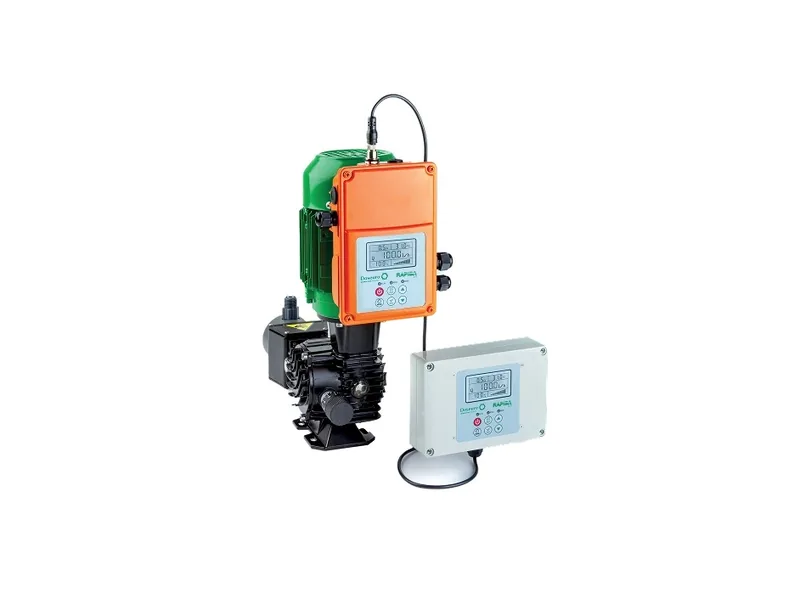
The first question most operators ask about a new Doseuro pump is how to change the flow. Doseuro metering pump adjustment comes down to two variables: how much liquid each stroke delivers, which is stroke length, and how many strokes the pump makes per minute, which is motor speed. Stroke length is set with the knob or a stroke actuator. Speed is set with a variable frequency drive or with Doseuro's own RAPIDA 2.0 inverter motor. The hard part is making the two work together and proving the result.
This Doseuro metering pump adjustment guide covers commissioning practice only. Model codes come from the Doseuro catalogs; anything the catalog does not show should be checked in the manual for your model.
How Doseuro Metering Pump Adjustment Works
Start with where the flow comes from: actual flow ≈ volume per stroke × strokes per minute × volumetric efficiency. Stroke length sets the first term, motor speed and gear ratio set the second, and back pressure and suction lift affect the third.
On a Doseuro pump that gives three adjustment methods:
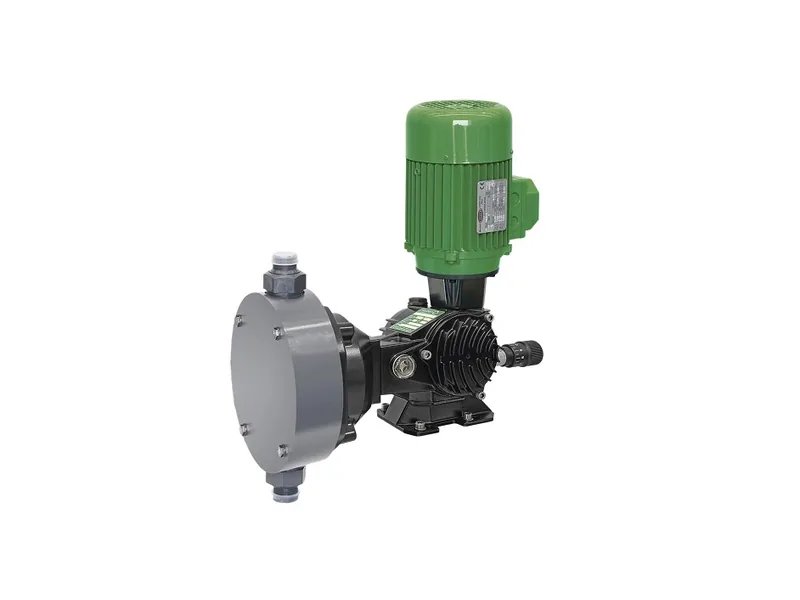
Figure 1: Doseuro spring return diaphragm unit with manual stroke knob. Image source: Doseuro official website
- Manual stroke adjustment with a knob and percentage scale;
- Automatic stroke actuator driven by a 4-20 mA, pneumatic or fieldbus signal;
- Speed control by changing motor frequency.
They can be combined. A common water treatment setup fixes the stroke at one setting and lets a drive follow the flowmeter signal.
Manual Stroke Adjustment on the Worm Gear
Doseuro mechanical diaphragm pumps use a worm and wheel reduction. According to the catalogs, the Model FM gearbox runs on bearings with grease lubrication, while the Model D gearbox runs in an oil bath. The stroke mechanism sits on this drive.
The catalogs state that stroke adjustment can be made with the pump at rest or in operation. On site, most technicians adjust while running so they can watch the flow change.
Three habits make manual Doseuro metering pump adjustment easier:
- Move in small steps and give the flow a few minutes to settle;
- Treat the scale as a guide, because the same setting gives different flow at different back pressure;
- If the knob is stiff, stop the pump and inspect rather than forcing it.
Note that the Model FM code offers only option 1, manual stroke adjustment. If you need remote control, choose another series or use speed control.
Stroke Actuators: 4-20 mA, Pneumatic and Profibus
The Model D code lists the stroke adjustment options clearly: 1 manual, 2 for 4-20 mA, 3 pneumatic, and 8 Profibus DP. The actuator simply turns the stroke mechanism for you in proportion to the signal.
An actuator suits pumps installed in awkward places, or plants that need remote Doseuro metering pump adjustment. It moves slowly, so it fits dose changes made every so often rather than fast tracking. Fast tracking is usually left to the drive.
After fitting an actuator, compare signal and scale: send 4 mA and note the stroke, then send 20 mA. If they do not match the scale, follow the manual's zero procedure instead of moving mechanical stops.
Doseuro Speed Controller: RAPIDA 2.0 and VFD Control
The Doseuro general catalog lists flow regulation by motor frequency control, Modbus, Profibus and the RAPIDA motor interface, in addition to manual and servo options. RAPIDA 2.0 is Doseuro's own speed controller.
Per the official flyer, RAPIDA 2.0 combines a three-phase asynchronous motor with an inverter board. It runs on 230 V single phase, covers motors from 0.25 to 0.75 kW, is rated IP55, and is matched to SR series pumps such as D050N and D100N. Its functions include:
- Manual flow setting on the digit display;
- Analog input of 4-20 mA, 0-20 mA, 0-10 V or 2-10 V;
- RS485 with Modbus/RTU;
- Level control, batch, timing, remote alarm relay and priming mode.
The display shows flow in L/h or GPH, speed percentage or frequency. The pump curve can be modified to match the real installation, and the unit can be retrofitted to existing pumps.
Third-Party VFD for Doseuro Metering Pump Adjustment
A general purpose drive also works, with two cautions. A motor with its own fan cools less at low frequency, so confirm the allowed range with the motor manual. And do not run above the nameplate frequency to gain flow. Also remember that the same gear ratio gives different stroke rates at 50 and 60 Hz: the catalog lists the FM050N with H ratio at 41 and 50 strokes per minute, giving 4.5 and 5.4 L/h. Recalibrate after any change.
Combining Stroke and Speed in Doseuro Metering Pump Adjustment
The catalogs state an accuracy of ±1% within 10-100% of rated capacity for the SR and PDP series. Keep the pump out of the bottom 10% for long periods.
A reliable split for Doseuro metering pump adjustment is stroke for the coarse setting and speed for trimming and tracking. Set the stroke in the mid to high range so each stroke is large and the check valves seat cleanly, then let the drive follow the flowmeter or PLC. When the seasonal dose changes a lot, reset the stroke instead of pushing the drive very low. With both stroke and speed small, flow becomes erratic and repeatability suffers.
Verify Doseuro Metering Pump Adjustment with a Calibration Pot
Whichever Doseuro metering pump adjustment method you use, measure the result. Doseuro supplies a calibration pot: a graduated cylinder in synthetic glass with SS316 or PVC wetted parts, sized so a check takes about a minute, intended to confirm the real flow after installation.
Close the tank outlet valve, let the pump draw from the pot, time one minute, read the drop and convert to L/h. Test at about 30%, 60% and 100% stroke and draw the curve for that pump. Keep the back pressure valve in place so discharge pressure matches normal operation.
Conclusion
Doseuro metering pump adjustment rests on two variables. The manual knob is simplest, actuators handle remote dose changes, and the RAPIDA 2.0 speed controller or a VFD handles trimming and tracking. Keep the stroke mid to high, let speed float, stay above 10% of rated capacity, and check every change with the calibration pot. See the Doseuro brand page, RAPIDA 2.0 and the Model D diaphragm pump, plus our metering pump calibration method and stroke control motor guide. If the flow still will not settle, contact us.
FAQ
Can Doseuro metering pump adjustment be done while the pump runs?
Yes. The catalogs state stroke adjustment can be made at rest or in operation. Clear any overpressure or blocked discharge first.
Does a Model FM allow automatic Doseuro metering pump adjustment?
The FM code lists manual stroke adjustment only. For automatic control, look at a Model D with an actuator or add speed control, and confirm with Doseuro.
Can the Doseuro speed controller be retrofitted?
Doseuro says RAPIDA 2.0 can be installed on existing SR series pumps. Check the pump model and motor power against the flyer before ordering.
Why is flow unstable at very small settings?
When each stroke is tiny, check valve behaviour, tubing elasticity and gas bubbles matter more. The stated accuracy covers 10-100% of rated capacity, so a long-term low dose usually calls for a smaller pump.
How often should I recalibrate after Doseuro metering pump adjustment?
After any change to stroke, frequency, chemical, diaphragm or check valves, plus routine spot checks and whenever dosing results drift.