
Boiler Dosing System Faults: Common Problems and Check Order
Boiler dosing problems differ from ordinary water treatment dosing in three ways. The injection point runs at high pressure, chemicals such as phosphate crystallize easily, and any instability shows up at once in boiler water pH, phosphate residual and feedwater oxygen. Checking whether the pump is running is nowhere near enough. You need to follow the system from the tank to the injection point and then verify the control signals.
This article sorts the common problems by location and gives a check order. Pump repair itself is not covered in detail.
Typical Symptoms
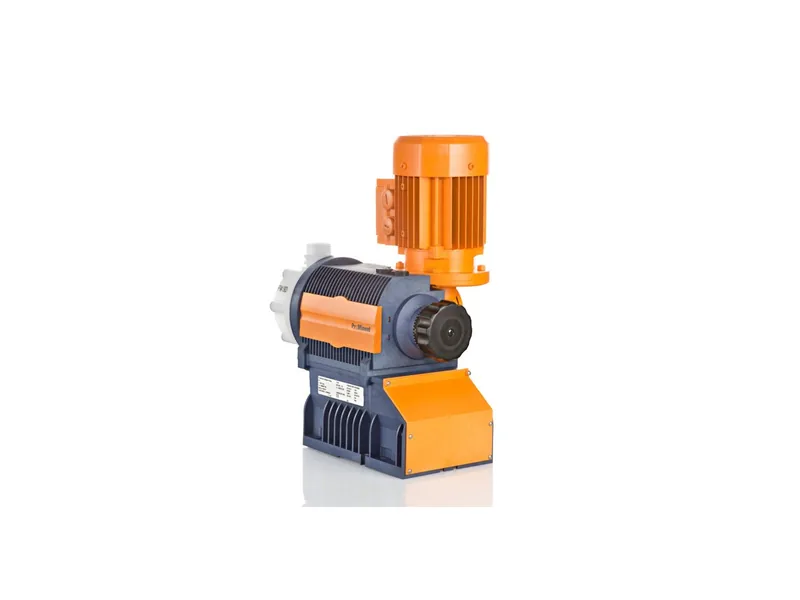
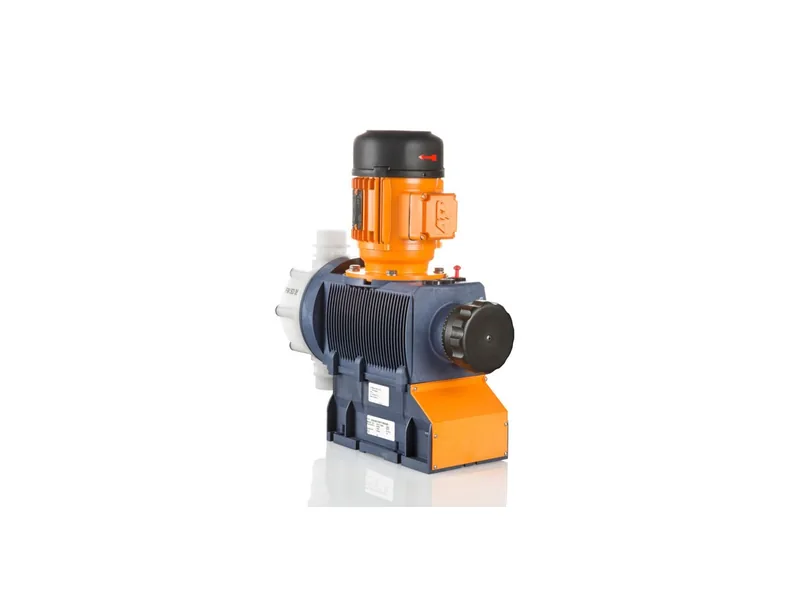
Figure 1: ProMinent 普罗名特 Sigma 1 motor-driven diaphragm metering pump. Image source: ProMinent 普罗名特 official website
- Boiler water phosphate or pH drifts out of range while the pump shows normal operation
- Tank level barely falls, or falls at an erratic rate
- The discharge gauge needle swings hard, or pressure sits well above drum pressure
- The dosing line runs hot or vibrates, and the check valve knocks
- In automatic mode the pump cycles constantly or runs flat out
Check Order for Boiler Dosing
Section 1: Tank and Solution
Confirm the solution strength and check that trisodium phosphate has fully dissolved with no sediment. The tank outlet strainer plugs easily with settled solids. A failed level gauge leads to wrong conclusions, so verify against the real level.
Section 2: Metering Pump
Confirm the pump is stroking and measure its output with a calibration column. A boiler dosing pump works against high discharge pressure, so its valve balls and seats must seal well. Wear or crystals cause internal leakage: the pump moves, but actual output is low. Also confirm the pump rating covers the maximum system pressure.
Section 3: High-Pressure Line and Check Valve
This is where boiler dosing faults occur most often. If the check valve ahead of the injection point does not seal, boiler water flows back into the dosing line whenever the pump pauses. Hot boiler water heats the line, chemical scales inside it, and it can even flow back to the tank. A relief valve set too low lets chemical return through the relief path, so less reaches the boiler. Installation requirements are in boiler dosing system installation.
Section 4: Injection Point
Drum dosing pipes and feedwater injection points scale up over time, raising discharge pressure. A poorly placed injection point distributes chemical unevenly, leaving local concentrations too high or too low. Injection point choice is covered in boiler chemical injection points.
Control System Problems
Automatic boiler dosing adjusts feed from conductivity, pH or feedwater flow. A fouled analyzer probe or drifting signal makes the pump dose from a false value, and chemistry drifts further off target. A hand-auto switch in the wrong position or a loose signal wire leaves the pump outside control. See boiler dosing pump control fault.
Typical Problems by Chemical
Phosphate
Solubility falls with temperature, so a cold tank in winter drops crystals that block strainers and valves. Dissolve with hot water and keep solution strength moderate.
Ammonia
It is volatile. A poorly sealed tank loses strength, so the same dose does less. Ammonia attacks copper alloys, so wetted parts must be chosen accordingly.
Oxygen Scavenger
Some scavengers lose activity on contact with air. Keep the tank closed and do not store mixed solution for long.
A Site Example
At a combined heat and power plant, boiler water phosphate ran low for several days. The pump was running with stroke at maximum. On site, the tank level was falling slowly, and the dosing line near the drum was too hot to touch.
The check valve ahead of the injection point had a layer of scale on its disc and no longer sealed. During pump pauses, boiler water flowed back into the line, heating it and scaling the bore. With the line narrowed, pump discharge pressure rose, the relief valve kept lifting, and most of the chemical went back to the tank. After the check valve was replaced, the line cleaned and the relief valve tested, phosphate returned to normal the same day.
Safety During Repairs
A boiler dosing line connects to the drum at high pressure and temperature. Before opening anything, close the root valve at the injection point and confirm the line is depressurized and cool, then remove the check valve or piping. Closing only the pump discharge valve is not enough, because a leaking check valve lets boiler water back in from the injection side.
Ammonia and some scavengers are irritants, so wear goggles and gloves and ventilate the area. After repairs, test at low pressure to confirm every joint is tight before returning to normal feed. Keep records of each boiler dosing fault so similar problems can be analyzed later.
Daily Rounds
Log tank level every shift and calculate actual boiler dosing from the level drop. Comparing it with lab boiler water results is the most direct way to catch a system fault. Check that discharge pressure is steady, the dosing line temperature is normal and the check valve is not passing. Calibrate analyzers and pump output on schedule. Maintenance details are in boiler dosing system maintenance.
Conclusion
Work through boiler dosing faults in order: tank, metering pump, high-pressure line and check valve, injection point, then control signals. A passing check valve and a scaled injection point are the most common system problems. Calculating actual feed from tank level and comparing it with lab data is the key to locating the fault. For ProMinent high-pressure metering pumps and packaged systems see our diaphragm metering pumps, or contact us for help.
FAQ
Where should I start with a boiler dosing fault?
Calculate actual feed from tank level, then check the check valve and injection point.
Why is the dosing line hot?
Usually the check valve is passing and boiler water is flowing back into the line.
Phosphate crystallizes in the tank in winter. What helps?
Mix with hot water, lower the solution strength and insulate the tank if needed.
How should the relief valve be set?
Above normal operating pressure with margin, and below the rating of the pump and piping.
How often should analyzers be calibrated?
Monthly is a sensible default, with probe cleaning per the manual.