
How to Choose Cationic and Anionic PAM by Charge
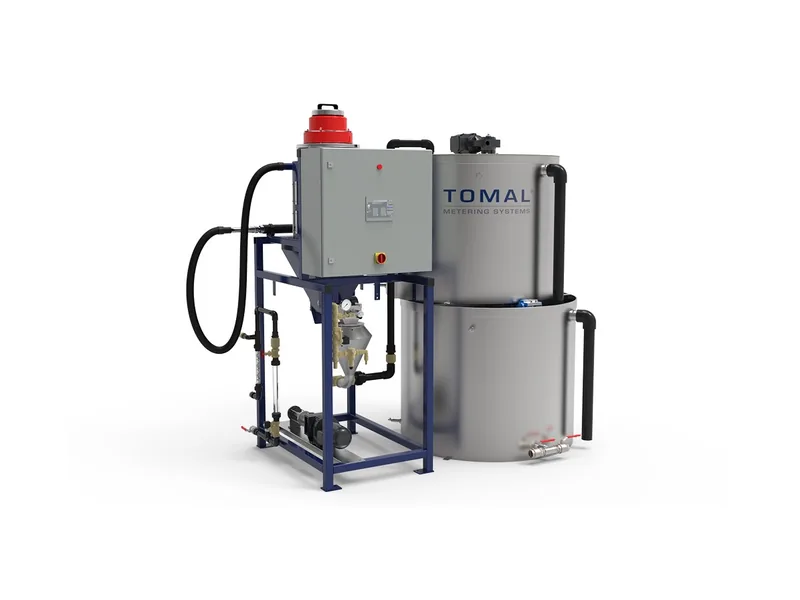
The right way to choose cationic and anionic PAM is not to ask which grade most plants buy. Look first at the charge on the particles or sludge, then at pH, and then at any coagulant already in the line. In sludge dewatering, solids are usually negatively charged, so a cationic grade can neutralize the surface and still bridge the flocs. In clarification, PAC or an iron salt often comes first, and the microflocs are then grown with an anionic grade. If the charge is backwards, flocs stay loose, the supernatant turns slimy, and raising the stroke only makes the problem worse. This note is for operators picking the charge type.
How charge decides cationic and anionic PAM
Polyacrylamide is sold as cationic, anionic and nonionic grades. The useful rule is simple: the polymer charge has to meet the charge on the solids.
Cationic PAM carries a positive charge. Municipal and waste-activated sludge usually have a negative surface, so a cationic grade both lowers that charge and ties the floc together. Anionic PAM carries a negative charge and works best after a coagulant: PAC, ferric or alum shifts the colloid charge, then the anionic grade bridges those microflocs. Aggregate wash water and mineral slurries often respond to an anionic grade as well. Nonionic PAM has little charge; put it in a side-by-side test when the water is acidic, very salty, or when the cationic grade fails at the pH you actually have.
One plant can run both types and still be consistent. The clarifier may need an anionic grade after coagulant, while the press needs a cationic grade, because the solids and the chemicals already added are not the same at the two points. When you compare cationic and anionic PAM, use this order:
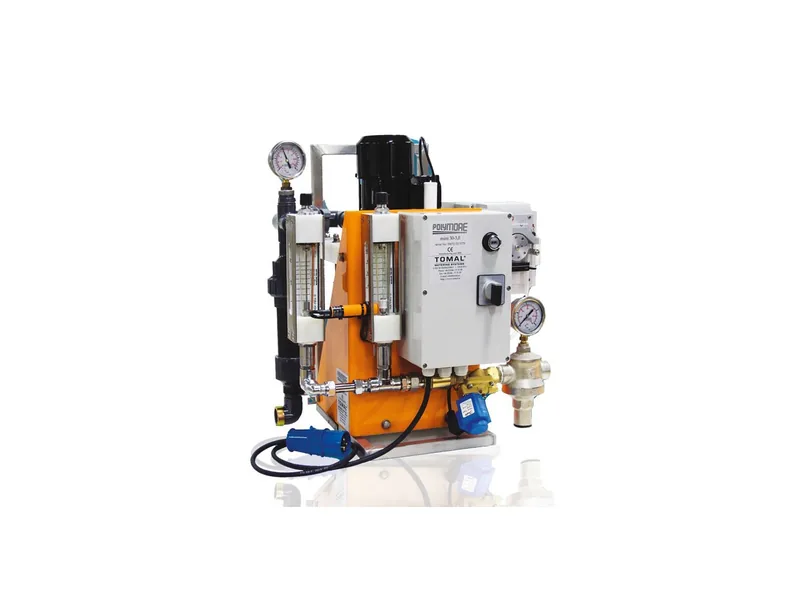
Figure 1: ProMinent PolyMore polymer preparation unit. Image source: ProMinent official website
- Write down what was dosed upstream of the sample
- Run cationic and anionic PAM side by side in the jar
- Do not copy the next plant's drum
How pH, salt and coagulants change the choice
Even when the charge looks right on paper, the water can screen it or knock the polymer down. pH is the item most crews skip. On alkaline sludge, especially after lime, a cationic grade that used to work can suddenly drop off. You have to test again, not just open the stroke. pH can change which cationic and anionic PAM grade will actually work. In strongly acidic water, an anionic grade often weakens, and a nonionic grade may show up better in the jar.
High salinity compresses the double layer, so the polymer looks weak even when the type is not obviously wrong. Do not start by adding more product. Change charge type or molecular weight first, then look at dose. Typical ranges are in typical polymer dosage ranges.
A common mix-up is feeding a cationic grade on a clarification line that already follows PAC and PAM dosing sequence and already has coagulant in the water. After coagulation the floc charge has changed, and more cationic polymer can break the floc that just formed. Bring an anionic grade back into the comparison instead of raising the pump setting. Selection of cationic and anionic PAM has to record the chemicals already in that stream.
How to read sludge charge without a zeta meter
Most dose rooms do not have a zeta potential instrument, and you do not need one to choose a grade. A jar test on your own sludge or process water is more useful. Hold mixing and dose in a similar range, then compare a cationic grade, an anionic grade, and a nonionic grade if the pH is awkward. Watch how fast the floc grows, how clear the supernatant is, and how it settles. For dewatering, also look at filtrate, cake release and stickiness.
If the supernatant turns viscous and the paddle hangs strings, the charge is likely wrong or the dose is already too high. If the floc stays fine and more chemical only makes the sample thicker, the type is probably reversed. If the sludge has already seen iron, alum or lime, retest on the conditioned sludge. Do not carry a thickener result to the dewatering machine. Use cationic and anionic PAM in the same jar set. Run cationic and anionic PAM in parallel; scanning dose on the one drum you always use will not tell you if the charge family is wrong.
What you see when the charge type is backwards
A wrong charge rarely looks like no effect at all. The clarifier supernatant may shine while the floc is fragile and resuspends. On a press or centrifuge the cake will not hold together, and the filtrate carries slime strings. Stop the pump, flush the pipe and the day tank, and rerun the jar with the other charge type.
Another trap is pouring leftover cationic solution into a tank that still holds anionic solution, just to use both up. Opposite charges neutralize each other, form gel or white lumps, and then the pump and the line plug. When you change type, clean the tank, the mixer and the suction line. Make-down strength is a separate question, covered in how to set polymer concentration. If the type is wrong, a carefully chosen strength will not rescue it. Do not blend cationic and anionic PAM in one tank. Store cationic and anionic PAM in separate tanks and in separate hoses.
After the type is set, what the feed system still needs
Once cationic and anionic PAM have been chosen, the make-down and the pump still have to deliver that grade without wrecking it. Polymer solutions are viscous. Keep the suction line short and reasonably large, and put a back-pressure valve on the discharge so the line cannot siphon. A ProMinent PolyRex or PolyMore polymer preparation unit can turn dry or liquid polymer into a continuous solution and hand it to a metering pump. You can compare the brand and the skid on the ProMinent brand page and the dosing skid range.
Hold make-down strength and aging time as a separate adjustment. Lock the charge type in the jar first, then move on to concentration and dose. Have the water quality, the sludge source, the coagulant already in use and the pH ready, and contact us for sizing so the preparation unit and the pump can be checked against the duty. A pump cannot fix a poor pick of cationic and anionic PAM.
Conclusion
Choosing cationic and anionic PAM is a charge problem first: the solids, the pH at that dose point, and the chemicals already added. Negative organic sludge in dewatering usually starts with a cationic grade; clarification after a coagulant usually starts with an anionic grade. When pH or a conditioner changes, repeat the comparison. A backwards type cannot be fixed by adding more product, and the two grades must not share a tank. Set the charge of cationic and anionic PAM first, then talk about strength, aging and dose.
FAQ
When is a nonionic grade worth trying?
Try it in the jar when the water is acidic, very salty, or when the cationic grade clearly drops off at the pH you have. Use it if the test is better, not as a default purchase.
Can leftover cationic and anionic solutions go in the same tank?
No. Opposite charges neutralize each other, form lumps and foul the pump and the piping. Clean the tank and the suction line before you make down the new grade. Never combine leftover cationic and anionic PAM.
How do I tell from a jar test that the charge is right?
Look for a firm floc, a clear supernatant and a clean settle; for dewatering, also look at filtrate and cake feel. The right type forms floc in a reasonable dose range.
If the sludge already has lime or iron in it, can I keep the old PAM?
Not automatically. Lime and iron change both sludge charge and pH, so a grade that worked before conditioning can fail after it. Retest on the conditioned sludge.
Does a change of season mean I must change the charge type?
Not every season requires a new type. If load, temperature or sludge character has shifted, run one fresh comparison of cationic and anionic PAM before you keep the same grade.