
Dosing Pump Return Line Blocked: Causes and How to Clear It
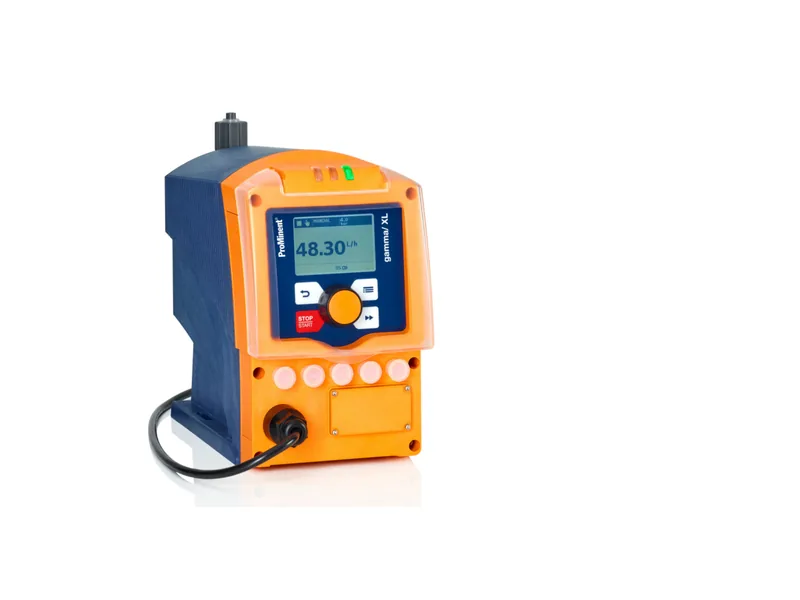
The return line on a metering pump carries chemical from the head bleed valve or the discharge relief valve back to the tank. It carries almost no flow most of the time, so it is easy to forget. Once the return line blocks, though, the bleed valve cannot vent air and a lifting relief valve has nowhere to send the chemical. The head and discharge line then build pressure they were never meant to see.
This article covers what the return line does, the symptoms and causes of a blockage, how to clear it safely, and how to lay it out so it stays clear.
What the Return Line Does
Two kinds of return line are common on dosing pumps. One connects to the head bleed valve and carries gassy chemical back to the tank during start-up or manual venting. The other connects to the outlet of the discharge relief valve and returns chemical to the tank when pressure exceeds the set point, protecting the pump and piping.
Many pump heads with automatic degassing send a small, continuous flow of chemical and gas through the return line while running. If that line is blocked, the degassing function simply stops working.
Symptoms of a Blocked Return Line
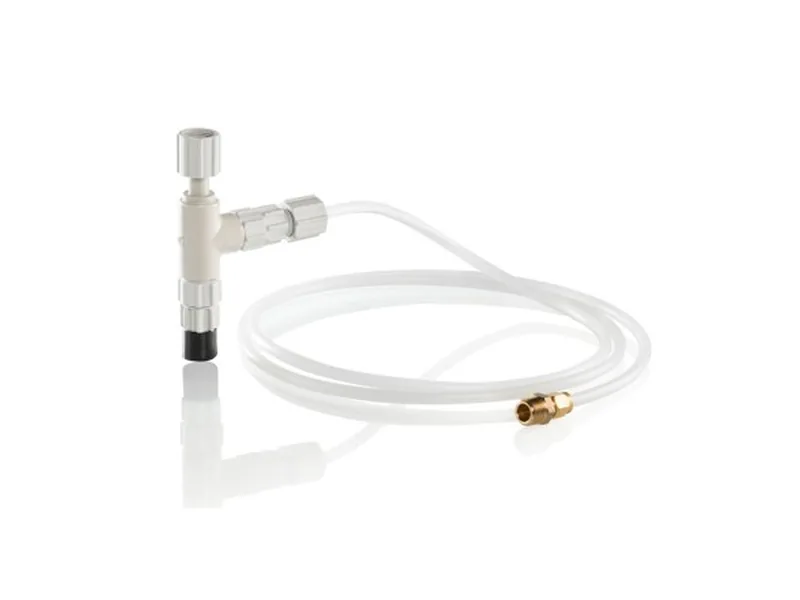
Figure 1: ProMinent 普罗名特 gamma X metering pump accessory. Image source: ProMinent 普罗名特 official website
- Nothing comes out when the bleed valve is opened, or only a slow trickle
- Automatic degassing heads lose performance, output drops, and the pump air-locks
- Discharge pressure climbs and stays high even after the relief valve lifts
- Weeping at return line fittings, or a swollen hose
- The pump sounds heavier and motor current rises on motor-driven models
Several of these look like a pump that is not delivering or a blocked discharge line. The quick way to tell them apart is to disconnect the return line outlet and watch it. The wider diagnostic path is in dosing pump not pumping or returning.
Common Causes
Crystals and Sediment
Because the return line sits still most of the time, the chemical left inside slowly dries and crystallizes. Sodium hypochlorite deposits salts. Caustic soda absorbs carbon dioxide from the air and forms sodium carbonate. Lime slurry and polyaluminium chloride settle out. Scale builds from the wall inward until the line closes completely.
Poor Routing
A return line with an upward loop or a low sag traps liquid in the low points and gas in the high points, which speeds up scaling and creates gas locks. An outlet submerged below the tank level can also see back-pressure when the tank is full and pull sediment into the line.
Small Bore or Kinks
Hose that is too narrow or too long, or that gets crushed or kinked during installation, has high flow resistance. A small amount of crystal is then enough to block it.
How to Clear a Blocked Return Line
- Isolate power, close the discharge isolation valve, and open the bleed valve to release pressure.
- Disconnect both ends of the return line and find which section is blocked.
- Soak flexible hose in warm water and squeeze it to break up deposits. Replace hose that is heavily scaled.
- Circulate a suitable cleaning solution through rigid pipe. Dilute acid works on alkaline scale if the pipe material can take it.
- Check the outlet passages of the bleed valve and relief valve too. Crystals inside the valve look exactly like a blocked line.
- Reconnect, start the pump, open the bleed valve, and confirm free flow back to the tank.
Relief valve setting and testing are covered in relief valve setting, and venting in diaphragm metering pump air purge.
A Site Example
A cooling water plant dosed sodium hypochlorite with a solenoid pump fitted with an auto-degassing head. The return line was a thin hose that wound behind the tank, with one section dipping below the tank base. After six months, operators saw output falling until the pump barely delivered. Repeated manual venting did not help.
When the return line was removed, the low section was packed with white crystals and fully blocked. With the degassing path closed, gas could not leave the head and the pump air-locked. The fix was a new return line running straight down from the head to the top of the tank, with the outlet above the liquid level and hose matching the port size. A monthly check of the return flow was added to rounds, and the problem has not come back.
Layout Rules That Keep the Return Line Clear
Run the return line on a continuous downward slope to the tank, with no upward loops and no low sags where liquid can sit. Terminate it above the maximum tank level so chemical falls freely. That lets operators see the return flow and prevents siphoning back.
Keep the bore at least as large as the return port, keep the run short, and use long-radius bends. For crystallizing chemicals, add a flushing connection so the line can be rinsed with water before shutdown. Route the relief valve return line separately to the tank rather than tying it into other drains, so scale in one line cannot affect both. The difference between relief and backpressure valves is explained in relief valve vs backpressure valve.
Routine Checks
A blocked return line usually forms slowly, so routine rounds catch it early. On each shift, glance at the outlet for drips; an auto-degassing head should show a small return flow while running. Open the bleed valve once a month to confirm free flow. Check hoses yearly for hardening and discoloration and replace them when needed. With crystallizing chemicals, flush the return line during every planned stop rather than waiting for it to close.
Conclusion
Most return line blockages come from chemical crystallizing in a stagnant line, made worse by poor routing and undersized hose. Clear it by releasing pressure first, checking section by section, and replacing badly scaled hose. Prevent it with a continuous slope, an outlet above the tank level, adequate bore and regular flushing. For ProMinent gamma solenoid pumps see our diaphragm metering pumps, or contact us for help.
FAQ
Can I leave the return line disconnected?
No. Bleed and relief flow would spill on the floor, wasting chemical and creating a safety hazard.
Can the return line outlet sit below the liquid level?
It is better above the maximum level, where you can see the flow and avoid back-siphoning.
What material should the return line be?
Any hose or pipe compatible with the chemical. PVC or PE is common for sodium hypochlorite.
Can a blocked return line damage the pump?
Yes. It causes overpressure and air locks, which can damage the diaphragm and motor over time.
How often should the return line be cleaned?
Monthly checks for crystallizing chemicals, quarterly for others.